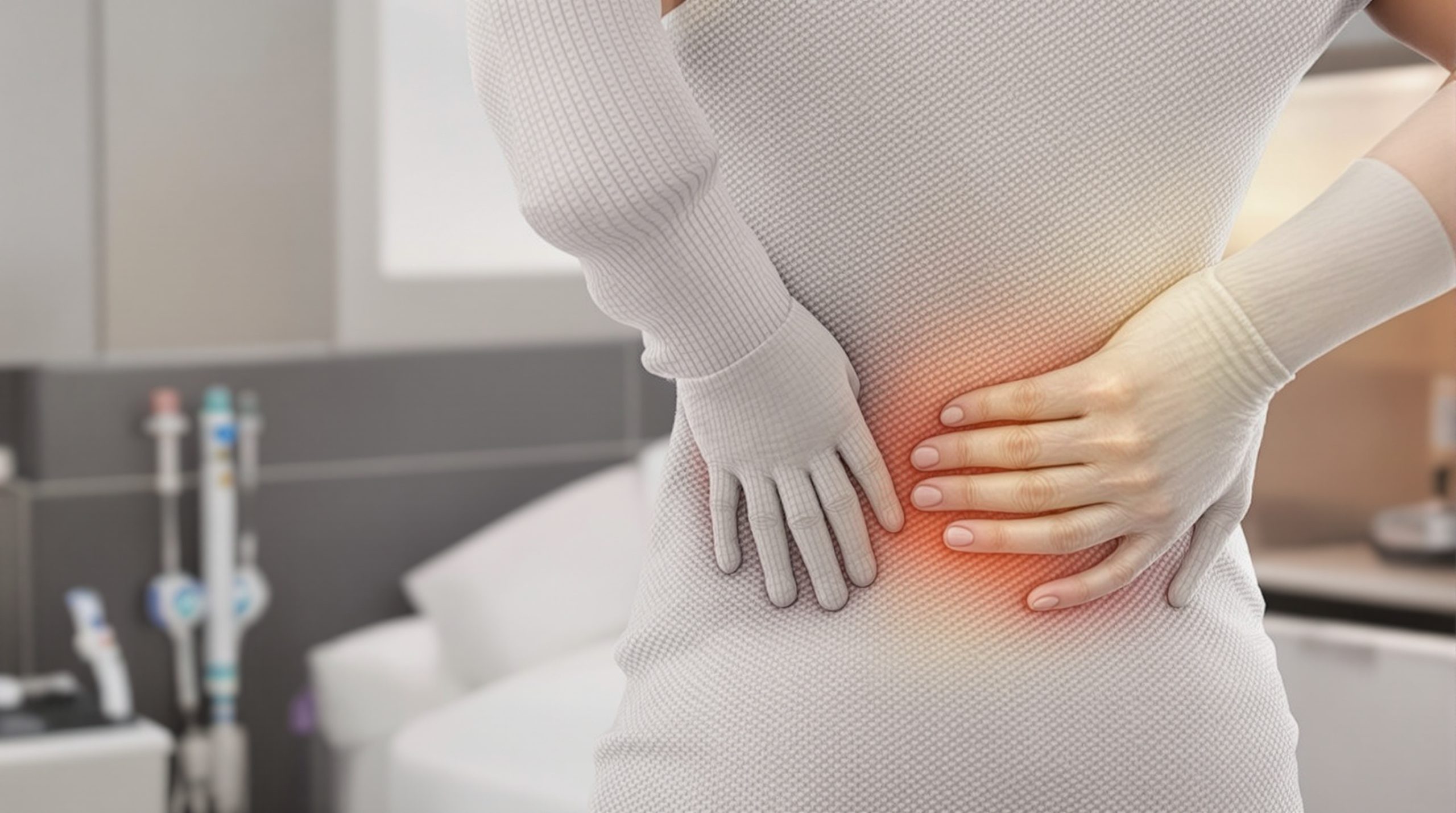
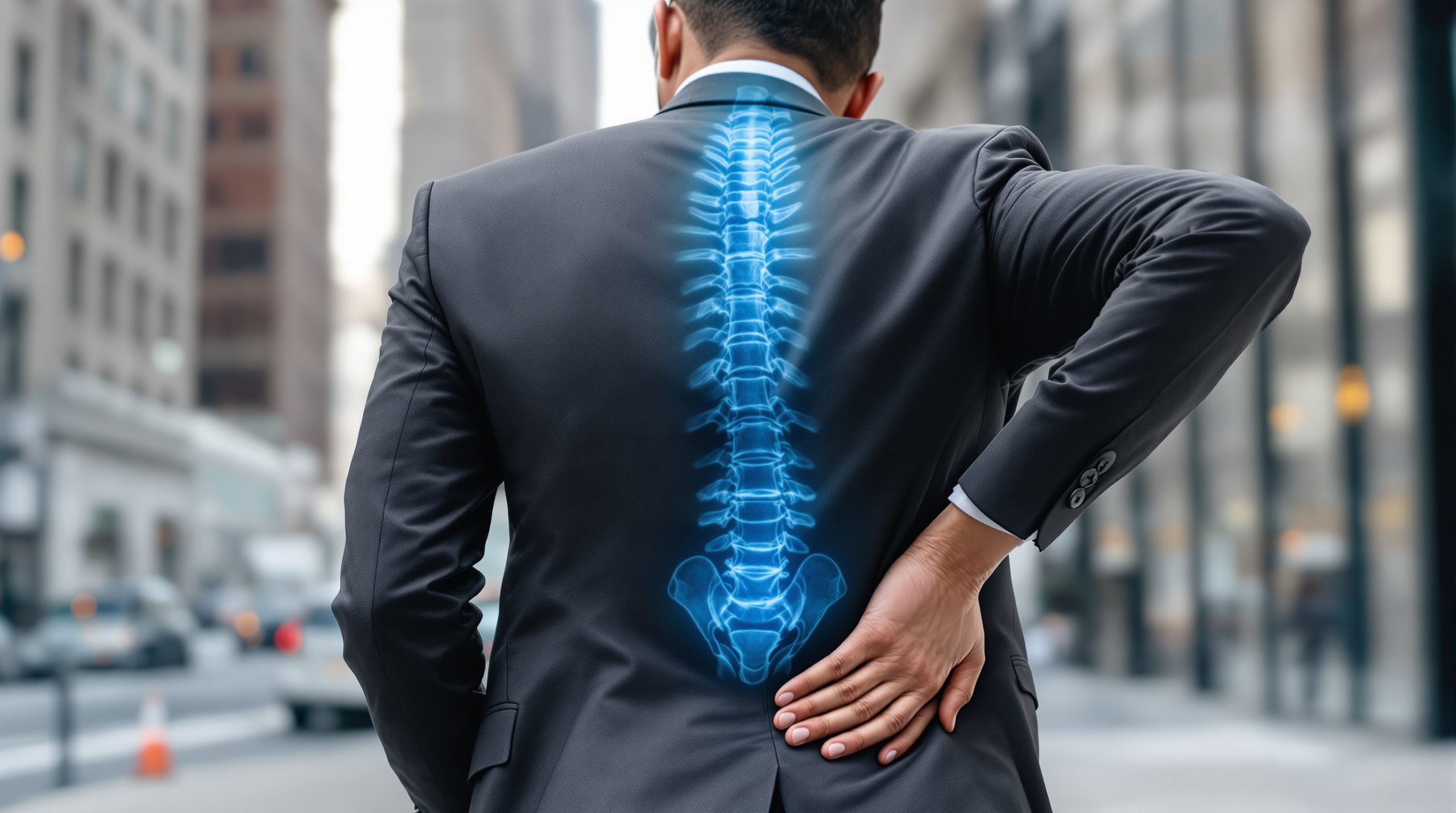
Knee pain is one of the most common complaints among adults over 40, athletes, and anyone living with arthritis. Whether you feel pain after a long walk or deal with a nagging ache every morning, this guide covers safe, practical ways to ease knee pain at home and know when to seek professional care.
Key Takeaways
Most mild to moderate knee pain improves with rest, ice or heat therapy, targeted exercise, and weight management within 4–6 weeks of consistent effort.
Persistent or worsening knee pain, sudden swelling, or inability to bear weight are warning signs that require prompt evaluation by a healthcare provider.
A combined approach works best: anti inflammatory strategies, strengthening and stretching exercises, lifestyle changes, and medical treatments such as injections or surgery when needed.
Each pound of body weight adds four pounds of pressure on knees-even modest weight loss of 10–15 pounds can significantly reduce knee pain.
Working with an experienced team of orthopedic and physical therapy professionals offers the best chance for long-term joint health and avoiding chronic knee pain.
Understanding Knee Pain and the Knee Joint
The knee is a complex joint where the femur, tibia, fibula, and patella connect, supported by cartilage, menisci, ligaments (ACL, PCL, MCL, LCL), tendons, and bursae. Muscles around the knee-quadriceps, hamstrings, calves, and glutes-keep everything moving and stable. Knee pain can result from acute injuries or chronic conditions, and it may present as sharp pain, a dull ache, or intermittent discomfort in or around the knee.
What makes this joint so vulnerable is the load it carries. When walking, the knee bears roughly 2–4 times your body weight; climbing stairs or squatting pushes that to 6–8 times. Acute knee pain appears suddenly after an injury and typically lasts days to weeks. Chronic knee pain persists longer than three months and often stems from knee arthritis or untreated damage. Common structures involved in joint pain include cartilage wear, meniscus injuries, ligament sprains, tendon inflammation, and bursitis.
Common Symptoms and Causes of Knee Pain
Symptoms and causes often overlap, which is why diagnosis from a healthcare provider matters. Watch for swelling, warmth, stiffness after sitting, locking or catching sensations, instability where the knee “gives way,” popping, and pain when going up or down stairs. Pain location offers clues-front-of-knee discomfort suggests patellofemoral issues, inner joint line pain may point to the medial meniscus, and pain behind the knee can involve hamstrings or a Baker’s cyst.
Common causes of knee pain include arthritis, injuries, and inflammation of tendons. Sports sprains, ligament tears, falls, and overuse from running or kneeling all contribute. Osteoarthritis alone affects roughly 23% of adults over 40 globally. Risk factors that significantly impact your likelihood of chronic pain include age over 50, extra weight, previous injuries, and repetitive heavy lifting.

Fast Knee Pain Relief at Home
This section is your “do-this-today” toolkit. The RICE method-Rest, Ice, Compression, and Elevation-is the starting point for the first 48–72 hours after a flare or minor injury.
Rest the joint by avoiding impact activities and strenuous activity.
Apply an ice pack for 15–20 minutes every 1–2 hours. Ice therapy, also called cold therapy, reduces swelling and numbs knee pain in the affected area.
Use compression wraps to provide support and reduce swelling in knees.
Elevate the leg above heart level to reduce discomfort.
When the acute swelling settles, heat therapy helps more-especially for morning stiffness, muscle tightness, and knee arthritis without big swelling. Heat therapy improves blood circulation and relieves stiffness, making it easier to ease stiffness before stretching exercises.
Over-the-counter anti inflammatory pain relievers effectively reduce knee pain and swelling. Nonsteroidal anti-inflammatory drugs like ibuprofen alleviate knee pain and inflammation, while acetaminophen suits people who cannot take NSAIDs. Follow package directions and avoid higher doses without medical guidance-ask a healthcare provider if you have kidney, stomach, or heart disease.
Simple home supports also provide relief: use a cane in the opposite hand, wear a soft knee brace or sleeve to reduce swelling and improve mobility, choose supportive shoes with good arch support, and avoid deep squats or kneeling until symptoms improve. Supportive braces can help align the knee joint and provide stability during daily activities. Gentle massage can improve circulation and reduce knee pain as well-even a few minutes of rubbing the thigh muscles and areas around the knee helps reduce muscle tension.
Targeted Exercises and Stretches to Ease Knee Pain
Controlled movement is crucial for lasting relief. Gentle movement improves blood flow and increases synovial fluid in the knee, nourishing cartilage and preventing stiffness. Complete rest beyond a few days can worsen joint function. Physical therapy can improve knee strength and reduce pain, and physical therapists design personalized exercise plans for knee pain based on your specific condition.
Strengthening exercises target quadriceps, hamstrings, and hip muscles to support the knee. Categories to focus on:
Quadriceps: straight-leg raises, terminal knee extensions, wall sits
Hip and glutes: side-leg raises, clamshells
Hamstrings and calves: bridges, heel raises
Balance: single-leg stance by a counter
Start 2–3 days per week with 1–2 sets of 8–12 repetitions. Mild discomfort is acceptable, but sharp pain or worsening symptoms mean stop and consult a healthcare provider.
Sample Strengthening Routine
After a professional has cleared you for exercise, try this routine. Warm up with 5–10 minutes of gentle walking or stationary cycling.
Straight-leg raise: Lie on your back, one knee bent, lift the straight leg to about 30 degrees and hold briefly.
Side-leg raise: Lie on your side and lift the top leg slowly up and down to strengthen muscles that stabilize the hip.
Mini-squat to chair: Lower yourself toward a chair seat (keeping knees behind toes at less than 45° flexion), then stand.
Wall sits: Lean your back against a wall and slide down until thighs are roughly parallel to the floor-hold 10–15 seconds and build up gradually.
Skip any exercise that causes sharp or worsening knee pain. This routine helps strengthen muscles and improve range of motion over time.

Stretching for Flexibility and Pain Reduction
The goal of stretching is to loosen tight muscles in the quadriceps, hamstrings, calves, and hip flexors that pull on the knee joint and increase discomfort. Daily stretching can reduce tension in muscles affecting the knee joint.
Standing quadriceps stretch: Pull your heel toward your glutes, holding the ankle.
Seated hamstring stretch: Extend one leg, reach toward toes gently.
Calf stretch against a wall: Step one foot back, press the heel down.
Hip flexor lunge stretch: Step forward into a lunge, keeping your back knee near the floor.
Hold each stretch 20–30 seconds, repeat 2–3 times per side, 4–5 days per week. Stretching should create gentle tension-not sharp pain. Avoid bouncing, which can damage muscles and tendons. These stretching exercises also help reduce stress on the joint over time.
Anti-Inflammatory Strategies: Food, Supplements, and Lifestyle
Systemic inflammation drives much of chronic pain in knee arthritis. Diet and daily habits influence inflammation over weeks to months, so anti inflammatory strategies are worth the effort.
Foods to include: fatty fish (salmon, sardines), extra-virgin olive oil, berries, leafy greens, nuts, and seeds. A simple joint-friendly meal might be grilled salmon over spinach with walnuts and olive oil dressing-foods with natural anti inflammatory properties.
Foods to limit: heavily processed snacks, sugary drinks, and excess alcohol. Make gradual swaps rather than drastic changes.
Supplements: glucosamine sulfate is commonly used to alleviate knee arthritis symptoms, though evidence remains mixed. Turmeric and ginger have anti inflammatory properties for natural pain relief-some trials show curcumin comparable to low-dose NSAIDs. Omega-3 fish oil and vitamin D show promise in smaller studies. Always check interactions with your healthcare provider before starting supplements.
Lifestyle habits: consistent sleep (7–9 hours), stress reduction techniques, and avoiding smoking all relieve symptoms and support healing. Epsom salt baths can reduce inflammation and relieve stiffness as a simple at-home recovery tool.

Weight Management and Knee Load
Being overweight increases strain on knee joints dramatically. Each pound of body weight adds four pounds of pressure on knees when walking-and more when climbing stairs. Even 5–10% body weight loss over 3–6 months can significantly improve pain and joint function in people with knee arthritis. Losing 10–15 pounds can significantly reduce knee pain and reduce inflammation throughout the body.
Low impact exercise supports both weight management and knee pain relief: walking on level ground, cycling, elliptical training, or pool exercises all minimize compressive forces while burning calories. Weight management reduces inflammation throughout the body, creating a positive cycle. Work with a dietitian or healthcare provider for safe, sustainable strategies if needed.
Medical Treatments: When Home Care Is Not Enough
When home care and lifestyle changes fall short-or when you’re dealing with advanced knee arthritis, major ligament tears, or persistent joint pain-medical evaluation opens up other treatments. The AAOS clinical guideline recommends starting with non-surgical options:
Treatment | How It Works | Duration of Benefit |
|---|---|---|
Prescription NSAIDs | Reduce pain and inflammation at higher doses than OTC | Ongoing with use |
Physical therapy | Uses techniques like ultrasound and electrical stimulation alongside exercise | Weeks to months |
Custom knee brace | Unloads the painful side of the knee | While worn |
Corticosteroid injections | Reduce pain and swelling inside the joint | Up to 6 weeks |
Hyaluronic acid injections | Improve lubrication inside the knee joint | May provide relief for up to six months |
Platelet-rich plasma (PRP) | Promotes tissue healing using your own blood | Variable, emerging evidence |
Professional physical therapy can speed up recovery from knee pain and help you treat knee pain with a structured treatment plan. Surgical intervention might be considered after 3–6 months of failed conservative care, severe loss of joint function, or structural damage like complex meniscal tears or bone-on-bone arthritis. Decisions about arthroscopic procedures or partial/total knee replacement surgery should be made with an orthopedic surgeon who considers your age, physical activity level, and overall health.
Red-Flag Symptoms: When to See a Healthcare Provider Urgently
Seek same-day or emergency medical attention for:
Sudden inability to bear weight or visible deformity after trauma
Fever, chills, severe redness or warmth-signs of possible joint infection
Severe pain that does not respond to any home treatment
Pain lasting more than 2–3 weeks despite consistent care, or night pain that wakes you
Repeated episodes of the knee giving way or locking
Consulting a healthcare provider is recommended for severe or persistent knee pain. Bring a clear history of when pain started, what makes it worse, and any previous injury to your appointment.
Lifestyle Changes to Protect Long-Term Joint Health
Relieving knee joint pain is only half the goal-protecting the joint from future damage matters just as much. Small daily habit adjustments make a real difference: use handrails on stairs, avoid sitting with knees deeply bent for long stretches, and change positions every 30–45 minutes to ease stiffness.
Mix joint-friendly activities-walking with cycling, swimming, or yoga-rather than repeating high-impact sports daily. Wear footwear with good cushioning and arch support. Build a knee-friendly workspace with a supportive chair at the correct height and keep frequently used items at waist level. These lifestyle changes add up to lasting relief and better joint health over years.
Working with an Experienced Team
Coordinated care between an orthopedic surgeon, physical therapist, and primary-care clinician creates the best treatment options for faster recovery. A good experienced team reviews imaging, activity goals, and medical conditions to recommend stepwise treatments-from conservative care to injections or surgical intervention if appropriate. Regular follow-up visits adjust your treatment plan as symptoms change, reducing the risk of chronic knee pain and long-term disability. Prepare questions about expected recovery time and ways to prevent future flare-ups before appointments.
FAQs About Relieving Knee Joint Pain
How long does it usually take for knee pain to improve?
Mild overuse knee pain often improves within 2–4 weeks with rest, cold therapy, and gentle exercises. Pain from knee arthritis may require 6–12 weeks of consistent physical activity adjustments and physical therapy to see clear progress. If there is no improvement after 2–3 weeks, or if you feel pain that worsens, evaluation by a healthcare provider is recommended.
Is walking good or bad for knee arthritis?
For most people with knee arthritis, moderate walking on level ground is beneficial because it nourishes cartilage and maintains muscle strength. Start with shorter distances on flat surfaces, wear supportive shoes, and stop if the knee becomes significantly more swollen. Walking is a form of low impact exercise that supports joint function without excessive strain.
Should I use a knee brace every day?
Soft sleeves provide warmth and support for daily activities, while more rigid or unloading braces are usually recommended by a healthcare provider for specific conditions. Braces are tools, not cures-combine them with efforts to strengthen muscles, improve flexibility, and manage body weight rather than relying on them alone.
Can I prevent knee joint pain if I have a family history of arthritis?
Genetics influence risk but do not guarantee knee arthritis. Maintaining a healthy weight, staying active with low impact exercise, and avoiding tobacco can significantly lower the chance of painful joint problems. Talk with a healthcare provider early about joint health strategies and baseline evaluation if you have a strong family history.
Are natural remedies enough to treat chronic knee pain?
Natural approaches such as anti inflammatory foods, supplements, gentle exercise, and weight control can meaningfully reduce discomfort and relieve pain. However, they may not fully repair cartilage or address structural damage in the knee joint. Anyone with chronic knee pain longer than three months should combine natural pain relief strategies with professional guidance to avoid missing treatable conditions that require targeted medical care.