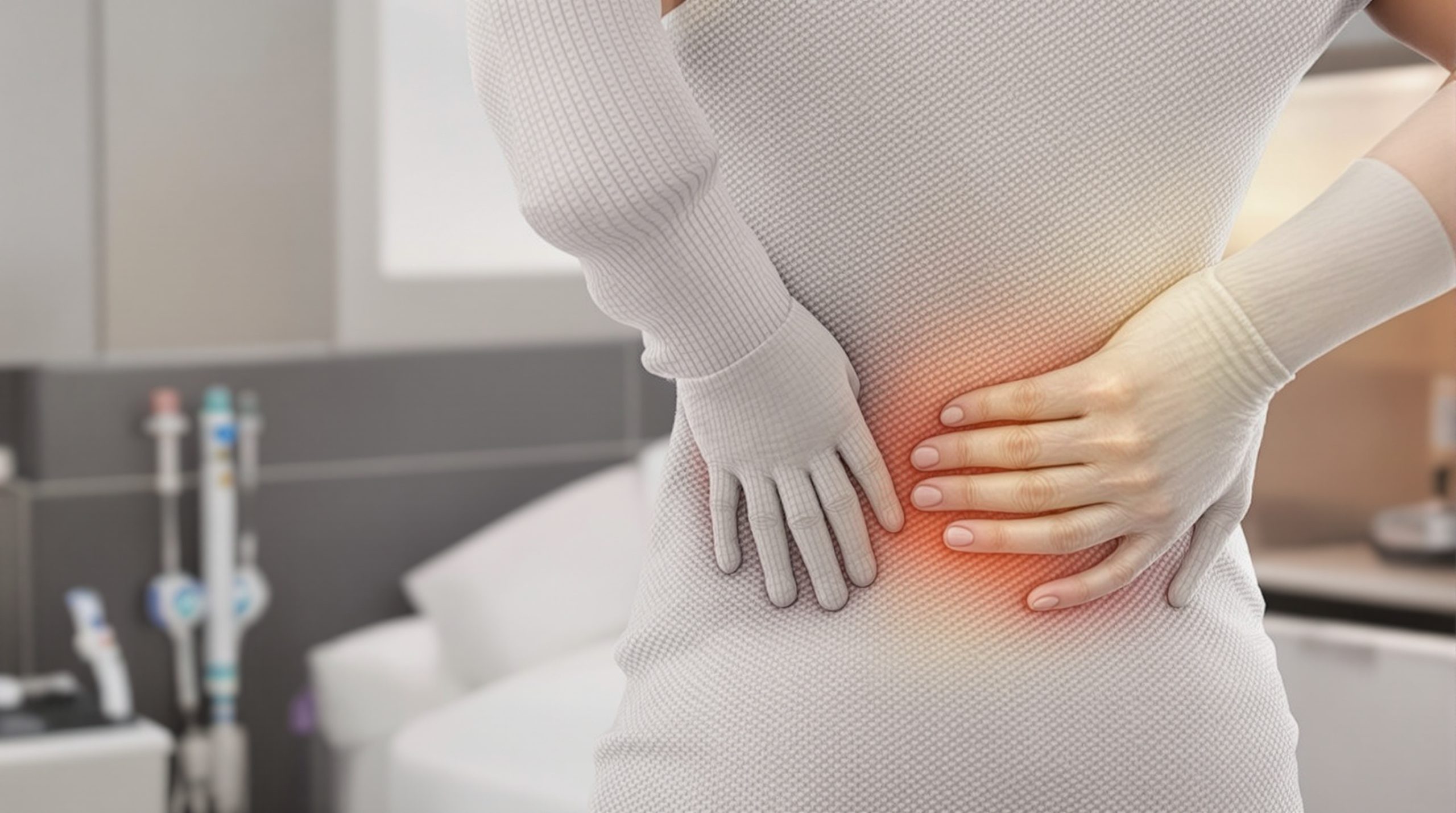
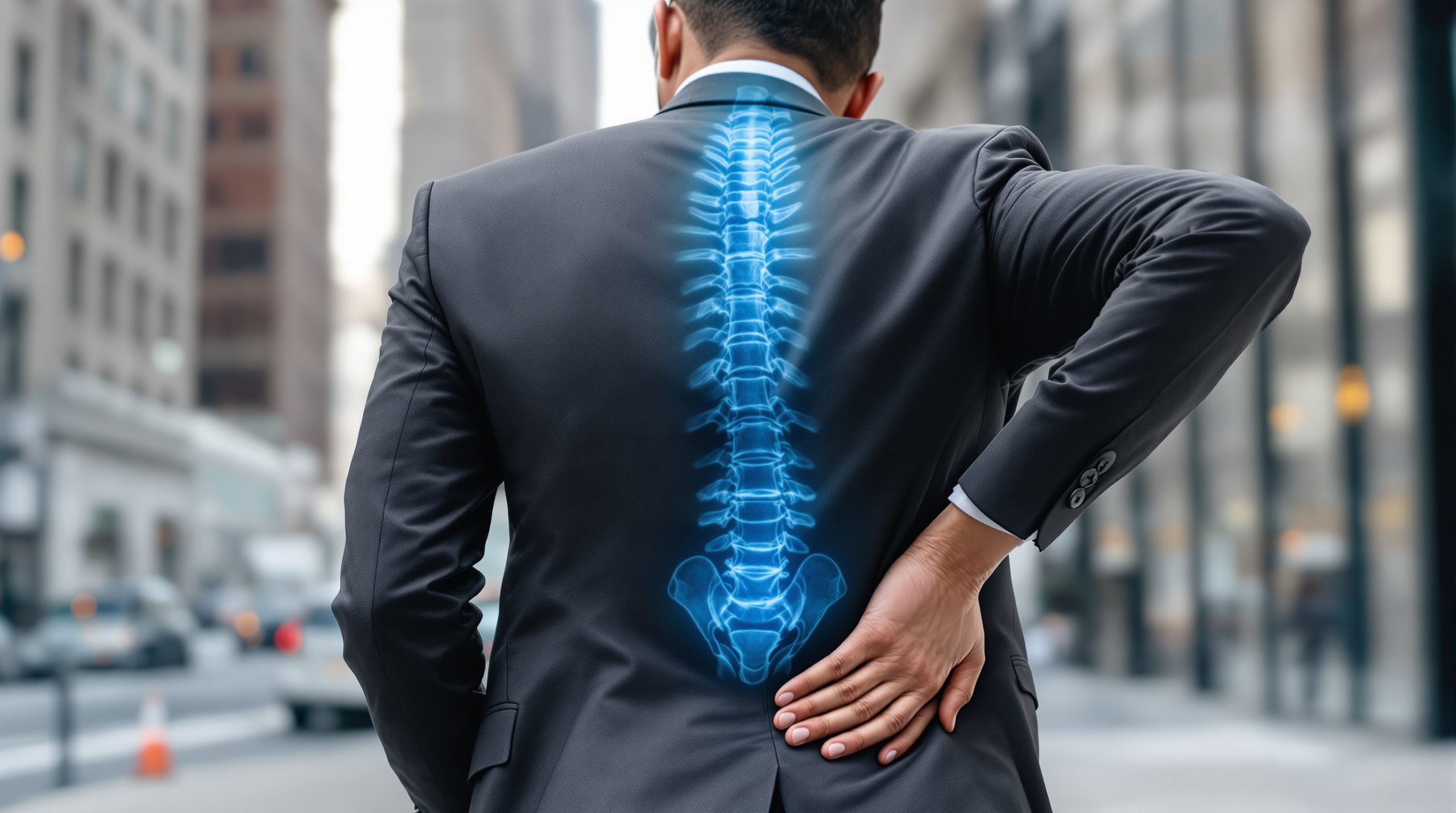
Living with sciatica can significantly impact your quality of life. The sharp, radiating pain that travels down your leg, combined with numbness or tingling sensations, can make everyday tasks feel impossible. Fortunately, for residents and workers on the Upper East Side, there are effective sciatica treatments available that can provide both relief and long-term recovery. This comprehensive guide explores the causes of sciatica, available treatments, and why seeking specialized care in the Upper East Side can make all the difference.
Whether you sit for long hours, stand all day, or have suffered an injury, sciatica can strike anyone. The key is early intervention and the right treatment approach—tailored to your unique needs. Let’s take a closer look at the best ways to identify, manage, and treat sciatica pain effectively.
Understanding Effective Sciatica Pain Treatment
Sciatica is not a condition in itself but a symptom of an underlying issue affecting the sciatic nerve. This nerve is the largest in your body, running from the lower spine through the hips and buttocks and down each leg. When the sciatic nerve becomes compressed or irritated, it leads to what is commonly known as sciatica pain.
Sciatica symptoms can include pain that typically affects only one side of the body and can vary in intensity—from a mild ache to a sharp, burning, or shooting pain. Severe symptoms, such as persistent or disabling pain, may require urgent medical attention. Leg pain is a hallmark of sciatica, often radiating from the lower back down the leg. Some individuals also experience numbness, muscle weakness, or a tingling sensation along the nerve pathway. Other symptoms, such as bowel or bladder changes, may indicate a more serious condition and should be evaluated promptly. Depending on the cause, the pain can worsen with prolonged sitting, sudden movements, or certain postures, making sciatica worse.
Common risk factors for sciatica include age, occupational hazards, and lifestyle choices such as smoking or prolonged sitting.
Common Causes of Sciatica
Several conditions can trigger sciatica by compressing the nerve roots in the lower back. Pinched nerves are a common cause of sciatica pain, often resulting from conditions that compress or irritate the spinal nerves. Understanding the cause is crucial for effective treatment. Common causes include:
Herniated Disc: When a disc between the vertebrae bulges or ruptures, it is referred to as a herniated disk. A herniated disk can compress the spinal nerves, leading to pinched nerves and causing sciatica pain.
Lumbar Disc Herniation: Lumbar disc herniation specifically refers to herniation in the lower back region, which can compress nerve roots and is a frequent cause of sciatica symptoms.
Spinal Stenosis: A narrowing of the spinal canal that puts pressure on the nerve roots, often affecting the spinal nerves and leading to radiating pain.
Degenerative Disc Disease: Age-related disc deterioration can lead to inflammation and nerve compression.
Spondylolisthesis: A slipped vertebra that causes misalignment in the spine and irritates the sciatic nerve.
Muscle Spasms or Piriformis Syndrome: Tightness in the piriformis muscle can compress the nerve as it passes underneath.
The epidural space in the spine contains connective tissue, along with blood vessels, fat, and spinal nerve roots, and changes in this space can contribute to nerve compression.
In some cases, prolonged sitting, heavy lifting, poor posture, or even pregnancy can exacerbate symptoms, especially when combined with underlying spinal issues. Understanding these contributing factors is essential before recommending specific treatments.
Cauda equina syndrome is a rare but serious cause of sciatica symptoms that requires immediate medical attention.
Symptoms of Sciatica
Recognizing the symptoms early can lead to faster diagnosis and more effective treatment. Sciatica is diagnosed through a combination of medical history, physical exam, and imaging studies. Common symptoms include:
Lower back pain that radiates down one leg
Nerve pain, such as tingling, burning, or numbness in the affected leg or foot
Muscle weakness, particularly when standing or walking
Shooting or stabbing pain that worsens when sitting or coughing
Difficulty moving the leg or foot
Because the symptoms can resemble other conditions such as peripheral neuropathy or vascular disorders, an accurate assessment from a qualified specialist on the Upper East Side—including a thorough physical exam—is important to rule out other causes and ensure appropriate care.
Diagnosing Sciatica on the Upper East Side
Diagnosis begins with a detailed medical history and physical examination. Your specialist may perform mobility and reflex tests to assess nerve function. Advanced imaging such as MRI, CT scans, or X-rays can help identify herniated discs, bone spurs, or other abnormalities pressing on the sciatic nerve. According to clinical guidelines, initial treatment for sciatica typically involves conservative approaches, such as physical therapy and medication, for 6-8 weeks before considering surgical options.
Once the root cause is determined, a personalized treatment plan can be created to effectively treat sciatica. This customized approach ensures the selected therapies target not only the symptoms but also the underlying reason for nerve irritation.
Nerve Root and Sciatica
The connection between nerve roots and sciatica pain is fundamental to understanding why symptoms develop. The sciatic nerve, which runs from the lumbar spine down through the hips and into each leg, is actually formed by several nerve roots branching out from the lower back. When one of these nerve roots becomes compressed or irritated—often due to conditions like a herniated disc or spinal stenosis—it can trigger a cascade of symptoms along the entire pathway of the sciatic nerve.
This irritation at the nerve root level disrupts normal nerve function, sending pain signals down the affected leg. In addition to sharp or burning pain, you might experience numbness, tingling, or even muscle weakness, depending on which nerve root is involved. Because the sciatic nerve which runs from the lumbar spine is the largest in the body, any pressure on its roots can have a significant impact on mobility and comfort.
Understanding the role of nerve roots in sciatica is crucial for both diagnosis and treatment. By pinpointing the exact location of nerve root compression, specialists can tailor therapies to relieve pressure, restore nerve function, and decrease pain in the affected leg. This targeted approach is key to effectively managing sciatica pain and preventing future flare-ups.
Non-Surgical Sciatica Treatment Options
Many patients find relief through conservative treatments and other non-surgical methods, especially when conservative treatment begins early. On the Upper East Side, numerous clinics specialize in conservative, minimally invasive therapies aimed at reducing pain and restoring mobility. Nonsurgical treatment focuses on decreasing inflammation and relieving sciatic nerve pain, providing an alternative to surgery for managing symptoms. Evidence-based approaches are essential when treating sciatica to ensure the best outcomes for sciatica patients. Common approaches include the following treatments for sciatica:
Physical Therapy
Customized exercise programs help strengthen the core, improve posture, and enhance spinal flexibility. For example, when performing the bridge exercise, start on your back with knees bent and feet flat on the ground to effectively engage the glutes and stabilize the pelvis. Guided stretching and strengthening routines can relieve pressure on the sciatic nerve and prevent future flare-ups. The piriformis stretch involves placing the affected foot on the opposite knee, which targets the hip and lumbar region—be sure to maintain proper posture during the stretch. Targeted exercises, such as the quadruped arm and leg lift, should focus on engaging the left leg to promote stability and alleviate sciatic pain. Strengthening core muscles also helps create a protective guard around the spine, reducing the risk of ongoing wear and tear and helping to avoid future injuries.
Chiropractic Care
Chiropractic adjustments, particularly spinal manipulation, can realign the spine, reducing nerve pressure and promoting better function. Chiropractors often combine manual manipulation with therapeutic exercises, providing a holistic and drug-free solution to sciatica pain.
Massage Therapy
Deep tissue massage can help relieve muscle tension in the lower back and glutes, reducing nerve compression. Regular massage also improves circulation and increases blood flow, which helps support healing.
Acupuncture
This ancient technique is increasingly popular in Upper East Side wellness clinics. Acupuncture can stimulate specific points to release endorphins and decrease inflammation, offering natural pain relief for many sciatica sufferers.
In some cases, anti-inflammatory medications, muscle relaxants, or corticosteroid injections may be recommended to reduce swelling and pain around the affected nerve. These treatments are best used in conjunction with other therapies for long-term results.
Advanced and Surgical Treatment Options
For patients whose symptoms persist despite conservative care, more advanced options, including surgical treatments, may be considered. If severe pain continues and significantly impacts quality of life, surgical intervention might be necessary. Upper East Side specialists often collaborate to determine the least invasive yet most effective solution, with surgical procedures specifically targeting the painful area to relieve nerve compression.
Minimally Invasive Procedures
In cases where disc material or bone spurs cause persistent compression, minimally invasive surgery can remove the source of irritation by relieving pressure on the spinal cord and nerves. Techniques such as microdiscectomy or endoscopic spine surgery allow rapid recovery and minimal scarring.
Spinal Decompression Surgery
When spinal stenosis or advanced degeneration is responsible, decompression surgery widens the space around the nerve, alleviating pressure and restoring function.
Rehabilitation After Surgery
Physical therapy and careful monitoring are essential following any surgical intervention. Rehabilitation focuses on restoring strength, flexibility, and proper posture to reduce recurrence risk.
At-Home Remedies and Self-Care
Even while seeking professional care, simple at-home remedies can complement your treatment and provide additional relief from sciatic pain. Self-care may include:
Applying heat or ice alternately to reduce inflammation and soothe muscles. Use an ice pack or ice packs on the painful area for short periods to help decrease swelling, and consider a heating pad as part of alternating hot and cold therapy for added comfort.
Maintaining proper posture while sitting and standing to minimize strain on the lower back.
Avoiding long periods of sitting can help prevent sciatica flare-ups and reduce pressure on the lower back.
Gentle stretching exercises designed to relieve pressure from the sciatic nerve.
Using ergonomic chairs or back supports, especially during prolonged sitting.
Engaging in low-impact activities such as swimming or walking to improve circulation and flexibility.
While short-term bed rest may provide relief, prolonged bed rest is discouraged as it can make sciatica worse.
These self-care measures can ease sciatica pain and support your recovery.
While these measures can help relieve mild discomfort, chronic or worsening pain should always be evaluated by an Upper East Side specialist to prevent further nerve damage.
Preventing Sciatica Flare-Ups
Once the initial pain subsides, prevention becomes key. Because sciatica often stems from mechanical or postural issues, lifestyle adjustments can make a big difference. Focus on maintaining spinal health through proper body mechanics and regular exercise. Strengthening your core muscles and maintaining good posture can help create a protective guard around your spine, reducing the risk of ongoing wear and tear and helping to prevent future injuries.
Practice safe lifting techniques—bend your knees and keep your back straight.
Incorporate back-strengthening exercises into your weekly routine.
Use standing desks or take regular breaks to reduce sitting time.
Maintain a healthy weight to lessen pressure on spinal discs.
Stay hydrated and eat nutrient-rich foods that support joint and bone health.
Preventive strategies not only decrease the likelihood of recurrence but also enhance overall back health, allowing you to stay active and pain-free.
Why Choose Upper East Side Specialists
The Upper East Side is home to