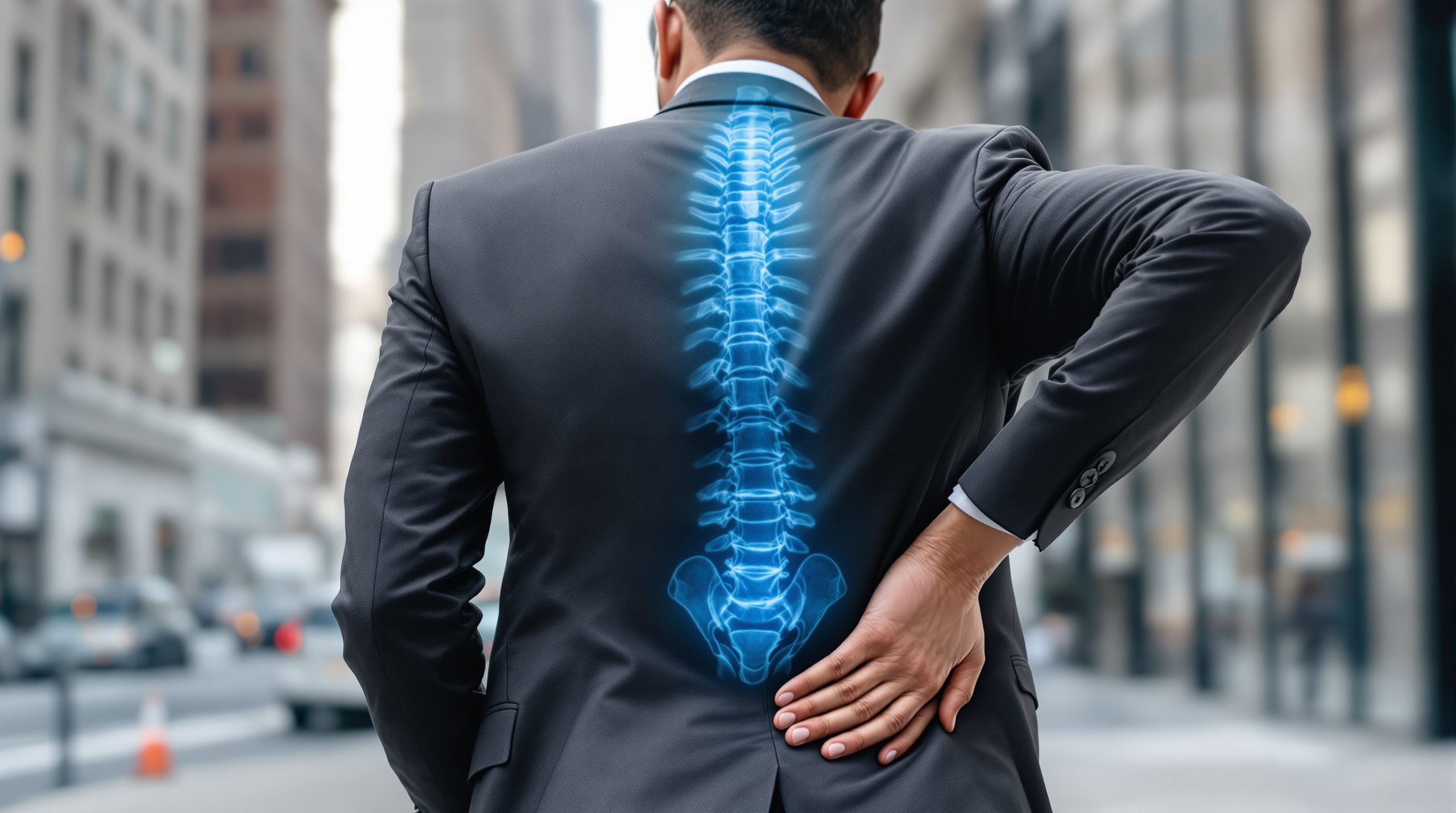
Neck Pain Relief for Seniors in New York
Neck pain is a common issue among seniors, affecting comfort, mobility, and quality of life. Whether it stems from arthritis, muscle strain, or poor posture, neck pain can make daily activities difficult. Fortunately, seniors in New York have access to numerous options for effective neck pain relief, from medical treatments and physical therapy to lifestyle adjustments and home remedies. This comprehensive guide explores the causes of neck pain in seniors, available treatments, and how to find the best care locally.
Understanding Neck Pain in Seniors
As we age, our bodies undergo changes that can lead to neck discomfort. Bones lose density, muscles weaken, and the discs between vertebrae degenerate over time. These natural processes make seniors more prone to pain, stiffness, and inflammation in the cervical spine area. Understanding the root causes helps guide effective treatment and prevention.
Common Causes of Neck Pain
The primary causes of neck pain among older adults include arthritis, spinal degeneration, muscle strain, and poor posture. Osteoarthritis and cervical spondylosis are particularly prevalent, leading to bone spurs and cartilage wear that irritate nerves. Seniors who spend long hours reading or using mobile devices may also develop “tech neck” due to forward head posture. In some cases, previous injuries or spinal misalignment can complicate symptoms further.
Why Seniors Are More Susceptible
Age-related wear and tear reduce flexibility and the ability of spinal tissues to absorb shock. In addition, chronic conditions such as osteoporosis or diabetes can contribute to inflammation and slower healing. Weak muscles around the neck and shoulders reduce support for the cervical spine, making even minor strains painful. Medications or decreased activity levels may also limit circulation and increase stiffness.
Symptoms That Should Not Be Ignored
Mild stiffness might be manageable with simple stretches or rest, but certain symptoms require professional attention. Seniors should not ignore persistent or worsening pain, numbness, or tingling in the arms or hands. These may indicate nerve compression or disc herniation. Dizziness, headaches, or weakness can also signal more serious conditions requiring medical evaluation.
- Persistent pain lasting more than a few days
- Radiating pain into shoulders or arms
- Numbness or tingling sensations
- Limited range of motion
- Muscle weakness or spasms
Early detection and diagnosis improve the chance of effective treatment and long-term relief.
Professional Neck Pain Treatments in New York
New York boasts a wealth of medical resources that cater to older adults experiencing chronic neck pain. Treatment choices depend on the severity of symptoms and the underlying cause. Many seniors benefit from a combination of conventional medicine, physical therapy, and alternative care.
Medical Evaluation and Diagnostics
Qualified healthcare providers in New York, such as geriatricians and orthopedic specialists, can conduct a proper assessment through imaging tests like X-rays, MRIs, or CT scans. These tools help identify disc problems, arthritis, or misalignment. A thorough evaluation ensures the treatment plan addresses the correct source of pain rather than masking symptoms.
Physical Therapy and Rehabilitation
Physical therapy is one of the most effective ways for seniors to restore neck mobility and reduce discomfort. Certified therapists in New York City and surrounding areas design individualized programs focusing on stretching, strengthening, and posture correction. Therapy not only reduces pain but also helps prevent future recurrences. Home exercise programs often complement in-person sessions to maintain progress.
Chiropractic Care and Manual Therapy
Some seniors benefit from chiropractic adjustments or gentle manual therapies aimed at improving spinal alignment and muscle balance. Many reputable chiropractors in New York offer services tailored to older adults, using low-force techniques suitable for aging joints. Always consult with a primary care doctor before starting chiropractic care to ensure safety.
Pain Management and Medications
Doctors may prescribe or recommend medications such as anti-inflammatory drugs, topical creams, or muscle relaxants. In severe cases, epidural steroid injections can relieve inflammation and nerve irritation. However, seniors should use medications cautiously and under medical supervision, as drug interactions and side effects may occur more frequently in older populations.
At-Home Neck Pain Relief Options
Home-based remedies can play a major role in reducing mild to moderate neck pain. Combining self-care techniques with professional treatment ensures better outcomes over time.
Gentle Stretches and Exercises
Simple movements such as head tilts, shoulder rolls, and neck rotations can reduce stiffness and improve flexibility. Seniors should move slowly and stop any exercise that causes sharp pain. A short daily routine guided by a physical therapist can significantly enhance mobility and posture.
Heat and Cold Therapy
Applying a warm compress or heating pad helps relax muscles, while ice packs can reduce inflammation after activity. Alternating between heat and cold can provide balanced relief. Always protect the skin with a cloth barrier when applying temperature therapy.
Ergonomic Adjustments at Home
Maintaining proper alignment during daily activities prevents undue stress on the neck. Seniors should adjust screens to eye level, use supportive chairs, and choose medium-firm pillows that maintain neck alignment. Avoiding long periods in one position also helps keep joints flexible.
Massage and Relaxation Techniques
Gentle massage therapy improves circulation and reduces tension. Many licensed massage therapists in New York offer in-home services or senior wellness programs. Relaxation techniques like deep breathing, meditation, or tai chi can also calm the nervous system and alleviate chronic pain perceptions.
Preventing Neck Pain Through Lifestyle Changes
Long-term relief goes beyond short-term fixes. Adopting healthy habits strengthens the spine and minimizes future flare-ups. Seniors can incorporate small but impactful changes in daily routines to maintain neck health.
Posture Awareness
Good posture reduces strain on neck muscles and supports spinal alignment. Seniors should practice sitting and standing tall, keeping shoulders relaxed, and tucking the chin slightly inward. Using reminder cues such as posture apps or physical therapy feedback can help maintain proper positioning.
Staying Physically Active
Regular low-impact activities like walking, swimming, and yoga enhance blood flow and muscle strength. Exercise keeps joints lubricated and muscles toned, reducing tension buildup. Even brief movement breaks during the day make a noticeable difference in neck comfort.
Nutrition and Hydration
A balanced diet rich in calcium, vitamin D, and antioxidants supports bone and tissue health. Hydration keeps joint discs supple, while anti-inflammatory foods such as fish, leafy greens, and nuts can further reduce discomfort. Seniors may consult a nutritionist to optimize dietary habits for pain management.
Finding Quality Neck Pain Relief Services in New York
New York offers diverse options for seniors seeking expert care. From major hospitals and rehabilitation centers to boutique wellness clinics, there is a resource to match every comfort level and budget. Choosing the right provider ensures safety, effectiveness, and peace of mind.
Hospitals and Specialist Clinics
Top facilities such as NYU Langone Health, Mount Sinai, and Hospital for Special Surgery provide advanced spine and orthopedic programs. These centers combine cutting-edge technology with experienced specialists familiar with geriatric needs. Many hospitals also offer telehealth consultations for convenience.
Community Health Centers and Senior Programs
Community-based programs around the five boroughs help seniors access affordable care. Local senior centers often host pain management workshops, exercise classes, and educational seminars. These resources promote self-care and early detection of neck issues.
Choosing the Right Practitioner
When selecting a healthcare provider, seniors should look for professionals with experience in treating age-related musculoskeletal conditions. Checking credentials, reading patient reviews, and verifying insurance coverage are essential steps. Communication style and personalized attention also play big roles in comfort and results.
When to Seek Emergency Care
Although most neck pain resolves with conservative measures, certain warning signs require immediate evaluation. If pain follows a fall or accident, or if there is sudden loss of balance, severe headache, or difficulty breathing, emergency care should be sought immediately.