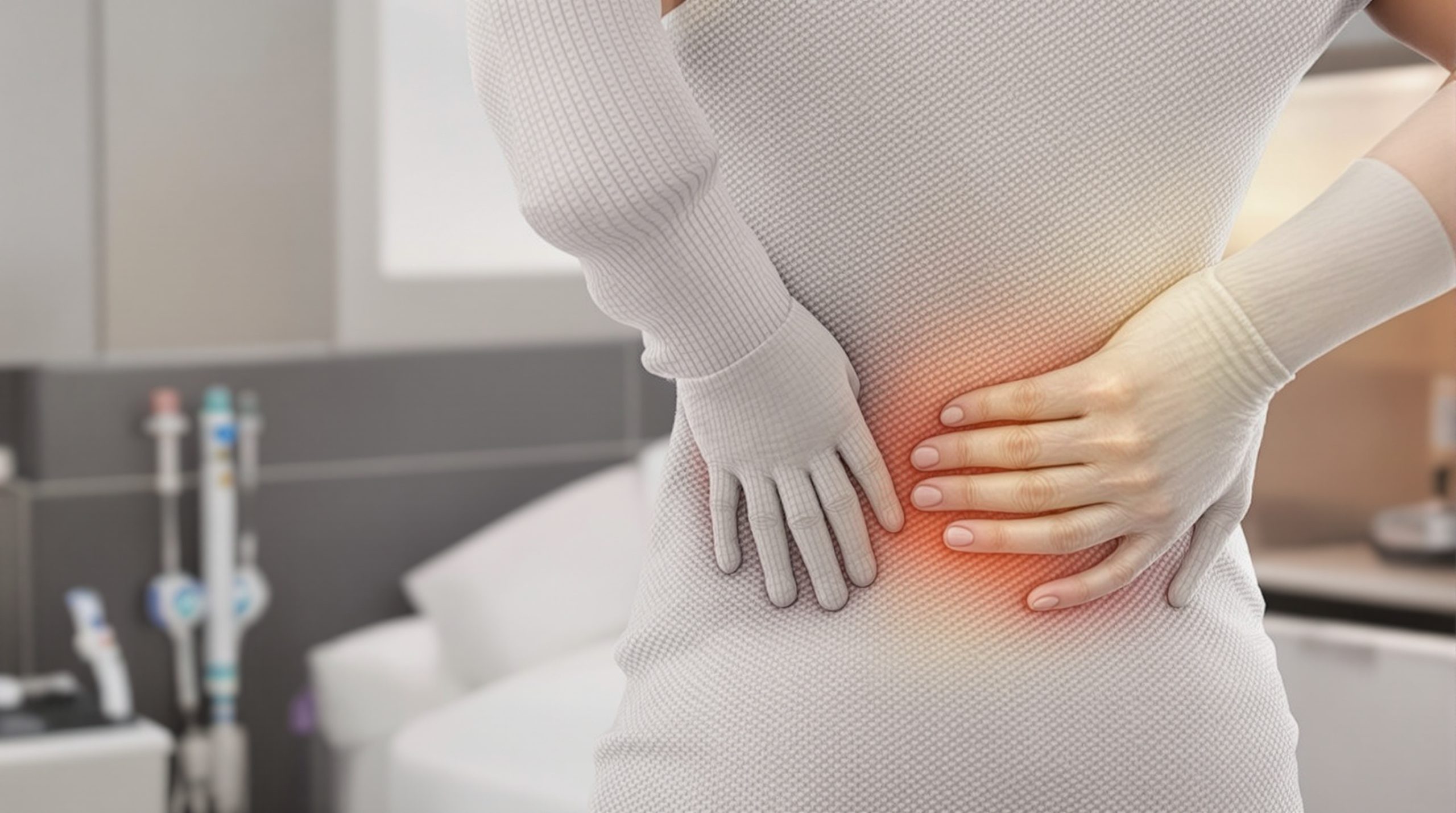
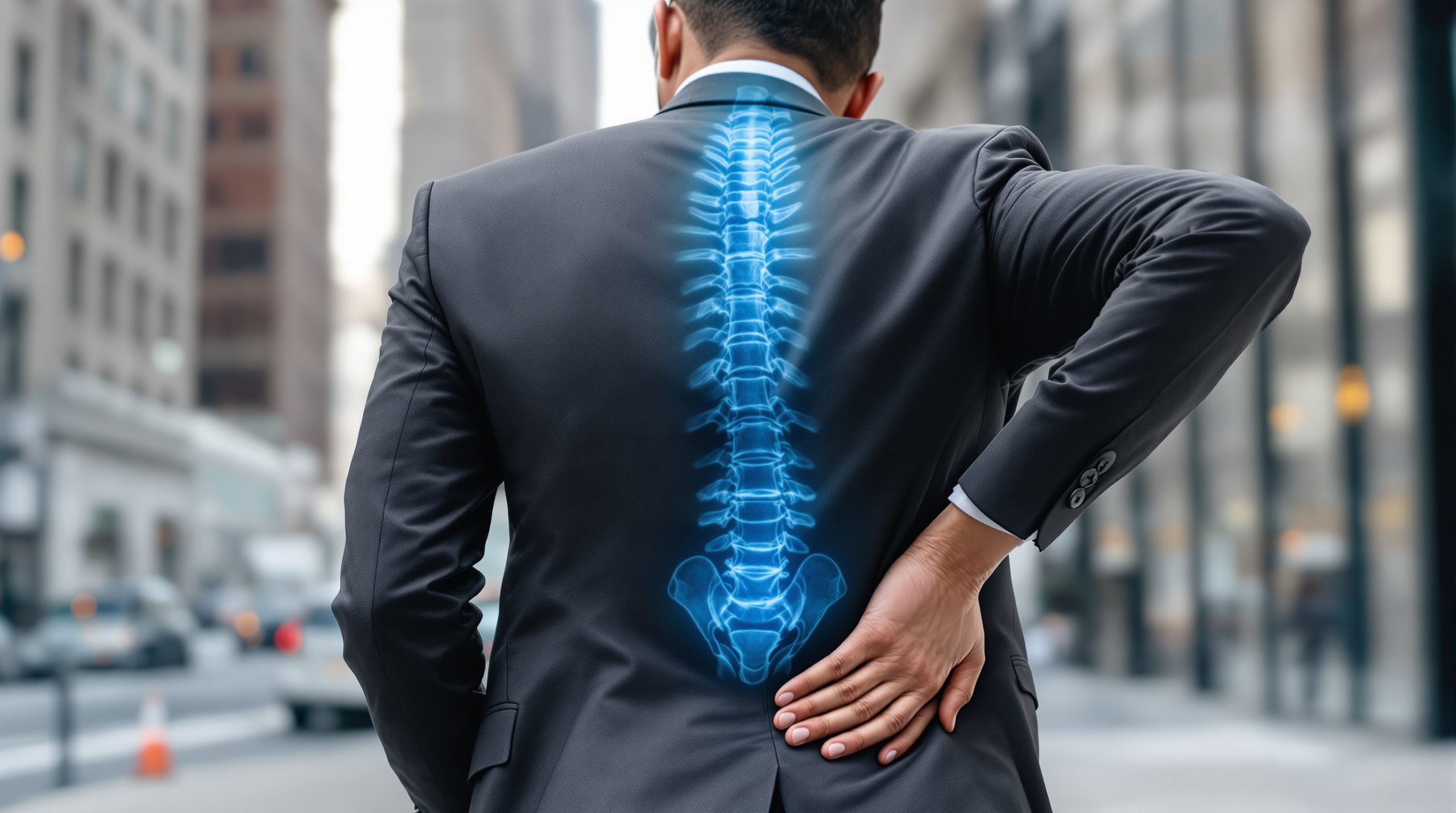
Your teenager is dealing with chronic pain and you’re running out of ideas.
Maybe they hurt their knee playing soccer.
Maybe their back is killing them from sitting at a desk all day.
Maybe they have migraines that won’t quit.
The thing is, teenage pain isn’t something you just brush off and hope goes away.
It gets in the way of school, sports, friendships, and basically everything that matters to them.
And if you’re searching for an adolescent pain specialist in Queens NY, you’re probably feeling stuck.
Why Teenage Pain Gets Ignored (And Why That’s a Problem)
Here’s what I see happen all the time.
Parents think their kid is just being dramatic about pain.
Doctors brush it off as “growing pains” or stress.
The teenager just suffers in silence because they feel like nobody gets it.
But teenage pain is real.
It’s not in their head.
And when you don’t address it properly, it gets worse, not better.
Pain in adolescents can come from all kinds of places.
Sports injuries.
Poor posture.
Anxiety and stress.
Growth-related issues.
Sometimes it’s something deeper that needs real attention from someone who actually knows what they’re doing.
What Makes an Adolescent Pain Specialist Different
A regular doctor knows medicine in general.
An adolescent pain specialist knows teenagers specifically.
They understand how a teenage body works differently than an adult body.
They get that emotional factors play a huge role in pain.
They know which treatments work best for young people and which ones to avoid.
When you’re looking for an adolescent pain specialist in Queens NY, you need someone who actually listens to your kid.
Not someone who just prescribes pills and calls it a day.
Think about it this way:
- A pain specialist knows the latest treatment options
- They understand the teenage mind and body
- They can rule out serious issues quickly
- They create plans that actually work for that specific kid
- They’re not quick to jump to heavy medications
Common Pain Issues in Teenagers
Let me break down what we see most often with adolescents dealing with pain.
Back pain and neck pain are huge.
Teens carry heavy backpacks, slouch over phones, sit in uncomfortable chairs, and spend hours gaming or studying.
The result?
Their spine gets angry.
That’s where back pain treatment and neck pain specialists come in.
Sports injuries are another big one.
Teenagers push themselves hard in athletics, and sometimes they push too hard.
Sports injuries need specific care to heal right and prevent long-term problems.
Joint and knee pain happens more than people realize.
Growth spurts can cause knee pain and joint pain that needs proper attention.
Headaches and migraines affect tons of teenagers.
Stress, hormones, and sometimes underlying issues trigger these.
A specialist can actually figure out what’s causing them instead of just treating the symptom.
Why Finding the Right Specialist Matters in Queens
Queens is huge.
You’ve got thousands of doctors.
But finding one who specializes in adolescent pain and actually gets it?
That’s the real challenge.
Here’s what you need to look for:
- Board certification or specific training in pain management
- Experience working with teenagers specifically
- Willingness to listen and ask lots of questions
- Knowledge of multiple treatment options (not just pills)
- Good communication with parents and the teen
You don’t want someone who treats all pain the same way.
You want someone who understands that teenage pain needs a different approach.
The Problem With Generic Pain Treatment
A lot of places just throw pain medication at the problem.
That’s not real care.
That’s lazy.
With teenagers, that approach backfires.
They might develop dependency.
They might have side effects that hurt school and sports more.
They might think medication is the only answer, when it’s not.
A real adolescent pain specialist in Queens NY looks deeper.
They ask questions like:
- When did this pain start?
- What makes it better or worse?
- How is it affecting your life?
- What have you already tried?
- What are your goals for treatment?
Then they create a plan that actually fits your kid’s life.
Maybe that’s physical therapy.
Maybe that’s lifestyle changes.
Maybe that’s specific medications used strategically.
Maybe that’s a combination approach.
Getting Real About Your Options
If you’re in Queens looking for help with your teenager’s pain, you’ve got some choices to make.
You could start with your regular doctor.
They might refer you out, or they might try to handle it themselves.
You could look for a pediatric pain specialist locally.
You could search for someone who focuses on the specific type of pain your kid is dealing with.
But here’s the thing—not every area has every specialist.
Sometimes you need to look beyond your immediate neighborhood.
Texas Pain Relief at texaspainhelp.com offers comprehensive pain management solutions that can help.
They understand chronic pain treatment and have resources for managing pain that goes beyond the local level.
They can guide you through options and help you figure out what works best for your situation.
What You Should Ask Any Specialist
Before you commit to working with someone, ask these questions:
- How much experience do you have with teenagers?
- What’s your treatment philosophy for young people?
- What happens if medication doesn’t work?
- How do you involve the teen in the treatment plan?
- How do you measure progress?
- What’s the timeline for seeing improvement?
- Do you work with physical therapists or other providers?
A good specialist will answer these clearly and honestly.
They won’t make promises they can’t keep.
The Real Cost of Waiting Too Long With an Adolescent Pain Specialist in Queens NY
Here’s something nobody talks about enough.
When you wait to get your teenager proper pain management, you’re not just delaying relief.
You’re letting the problem compound.
I’ve seen kids who put off treatment for months.
They start limiting their activities.
They miss school.
They stop hanging out with friends.
Their grades tank.
Their confidence gets crushed.
And then when they finally see an adolescent pain specialist in Queens NY, the damage goes way deeper than just the physical pain.
The psychological impact is real.
Pain becomes part of their identity.
They start believing they’re broken.
That’s the stuff that’s hard to fix.
How Adolescent Pain Affects School Performance and Social Life
Let me be straight with you.
Pain messes with everything for teenagers.
Your kid can’t focus in class when their back is screaming.
They can’t sit through lunch with friends when their neck is in spasm.
They can’t practice for the team when their knee is throbbing.
School becomes this thing they dread.
Attendance drops.
Test scores suffer.
Teachers think they’re lazy or unmotivated.
Parents get frustrated.
The teenager feels isolated.
Nobody gets it.
Nobody sees that it’s not laziness—it’s actual pain getting in the way.
Socially, it’s even worse.
Teenagers need their friends.
That’s not optional.
But when you’re in pain, you don’t want to hang out.
You don’t feel like going to parties or movies or the mall.
You just want to be alone.
Your kid starts getting left out.
Friends move on.
They feel abandoned.
And they blame the pain, which is fair.
This is why finding an adolescent pain specialist in Queens NY isn’t a luxury.
It’s essential.
Physical Therapy and Movement: What an Adolescent Pain Specialist Recommends
One of the biggest misconceptions is that pain means you stop moving.
Wrong.
A good adolescent pain specialist knows that the right movement is actually the cure.
Physical therapy isn’t boring repetitive exercises.
It’s about teaching your teenager’s body how to work again.
How to move without pain.
How to build strength in the right places.
I’m talking about targeted back pain treatment that uses movement.
I’m talking about knee pain solutions that actually get them back on the field.
Physical therapists who work with adolescents get that teenagers are different from adults.
They get bored fast.
They need to see progress.
They want to do stuff that matters to them.
So a real specialist doesn’t just give them generic exercises.
They create plans around what your kid actually wants to do.
Want to play soccer again?
We’ll build a plan that gets you there.
Want to stop getting migraines during tests?
We’ll work on neck and shoulder tension.
Want to sit at your desk without your back killing you?
We’ll fix your posture and core strength.
That’s what sets apart a real adolescent pain specialist from someone just going through the motions.
When Medication Becomes Necessary: What an Adolescent Pain Specialist Should Consider
Look, sometimes physical therapy alone isn’t enough.
Sometimes you need medication.
But here’s where a lot of doctors mess up.
They jump straight to prescription painkillers.
Or they give doses meant for adults.
Or they don’t monitor usage.
An actual adolescent pain specialist in Queens NY thinks differently.
They start with the least invasive option first.
Over-the-counter anti-inflammatories.
Topical creams.
Heat or cold therapy.
They only move to stronger stuff if those don’t work.
And if they do use prescription medication, they’re careful.
They use the lowest effective dose.
They set time limits.
They monitor for side effects.
They check in regularly.
They’re not trying to make your teenager dependent on pills.
They’re trying to get them to a place where they don’t need pills.
That’s the difference between a specialist and someone just writing scripts.
Mental Health Connection: Why Adolescent Pain Specialists Address Anxiety and Stress
Here’s what most parents don’t realize.
Pain and anxiety are best friends.
They feed each other.
Your teenager has pain, so they get anxious.
The anxiety makes the pain worse.
The worse pain creates more anxiety.
It’s a cycle.
And if your adolescent pain specialist only treats the physical pain, they’re missing half the picture.
Real specialists know this.
They ask about stress.
They ask about sleep.
They ask about mood.
They ask about school pressure.
They ask about social stuff.
Sometimes they recommend therapy alongside treatment.
Sometimes they teach breathing techniques.
Sometimes they help your kid understand how their thoughts affect their pain.
This is where chronic pain treatment approaches get sophisticated.
They’re not just treating the symptom.
They’re treating the person.
The Adolescent Pain Specialist Approach vs. Urgent Care Band-Aids
I see this happen a lot.
Parent takes teenager to urgent care.
Urgent care doctor spends five minutes with them.
Gives them some ibuprofen and sends them home.
That’s not treatment.
That’s a band-aid.
Real treatment takes time.
It takes listening.
It takes understanding the whole picture.
An adolescent pain specialist in Queens NY does something different.
First appointment might be an hour.
They’re asking questions.
They’re doing a real exam.
They might order imaging if needed.
They’re building a complete picture of what’s happening.
Then they create a real plan.
Follow-up appointments are scheduled.
Progress is tracked.
The plan adjusts based on how your
Red Flags That Tell You Your Teenager Needs an Adolescent Pain Specialist in Queens NY Right Now
Let’s talk about when you stop waiting and start acting.
Because there are certain signs that scream your kid needs real help from an adolescent pain specialist in Queens NY, not just a standard checkup.
Your teenager has been dealing with pain for more than a few weeks.
Not off-and-on pain that comes and goes.
Constant, nagging pain that’s still there when they wake up and still there when they go to bed.
That’s the first signal.
The pain is getting worse, not better.
Maybe it started as a minor ache.
Now it’s affecting how they move, how they sit, how they sleep.
That’s escalation.
That’s your cue to get professional eyes on it.
Your kid is starting to avoid activities they used to love.
They used to play basketball three times a week.
Now they’re sitting on the sidelines.
Used to go out with friends on weekends.
Now they’re making excuses to stay home.
Pain that changes behaviour like that is serious.
Over-the-counter pain relievers aren’t cutting it anymore.
You’re watching them pop ibuprofen like candy, and it barely takes the edge off.
That tells you the problem is bigger than a basic ache.
School attendance is dropping.
Missing one day here and there is normal.
But when your teenager is calling out sick twice a week because of pain, something needs to change.
Sleep is getting destroyed.
Pain keeps them up at night.
They’re tired all the time.
Fatigue piles on top of the pain and makes everything worse.
Your teenager’s mood has shifted.
They’re irritable, withdrawn, or showing signs of depression.
Chronic pain does that to people, especially young people who don’t have the coping tools yet.
If you’re seeing any of these signs, don’t wait for the next scheduled physical.
Get your teenager in to see an adolescent pain specialist who actually knows what they’re doing.
The Difference Between a Pain Specialist and Your Regular Doctor
Here’s where most people get confused.
Your family doctor is great for colds, flu, checkups, and general health stuff.
But pain management is its own specialty.
It requires different knowledge.
A regular doctor might spend ten minutes with your kid and suggest rest and ice.
An adolescent pain specialist spends time really understanding what’s happening.
They know that teenage pain isn’t just about fixing the injury.
It’s about understanding why the pain started, what keeps it going, and how to actually resolve it long-term.
A pain specialist has training in multiple treatment approaches.
They understand back pain treatment options that go beyond rest.
They know when to use sports injury management techniques.
They can evaluate whether something like knee pain treatment needs imaging, physical therapy, or something else entirely.
Your regular doctor has broad knowledge across everything.
Your pain specialist has deep knowledge in one area.
And that depth matters when your teenager’s quality of life is on the line.
Why Teenagers Need Different Pain Treatment Than Adults
This is critical and most doctors miss it.
A teenager’s body isn’t just a smaller version of an adult’s body.
It’s fundamentally different.
Their bones are still growing.
Their joints are more flexible.
Their hormones are all over the place.
Their nervous system is still developing.
All of this changes how pain shows up and how it needs to be treated.
Take joint pain for example.
A growth spurt in a teenager can cause knee or ankle pain that looks like an injury but isn’t.
An adult doctor might miss that.
An adolescent pain specialist knows growth patterns and what’s normal versus what needs attention.
Or think about medication dosing.
Adult pain protocols don’t work for teenagers.
A dose that’s fine for a fifty-year-old might be too much for a fifteen-year-old.
And teenagers can develop medication dependency faster than adults.
A real adolescent pain specialist in Queens NY knows all this stuff instinctively.
They’re not guessing or adapting adult protocols.
They’re using approaches designed specifically for how teenage bodies and minds work.
What Happens During Your First Visit to an Adolescent Pain Specialist
You’re probably wondering what to expect.
First visit is longer than a normal doctor appointment.
Plan on at least 45 minutes to an hour.
The specialist is going to ask tons of questions.
When did the pain start?
What were you doing when it happened?
Have you had any injuries before?
How’s your sleep, stress, and mood?
What have you already tried?
What makes the pain better or worse?
How is it affecting school, sports, and friends?
They’re not just being nosy.
They’re building a complete picture because teenage pain isn’t one-dimensional.
Next, they’ll do a physical exam.
Not a quick five-second thing.
A real assessment.
They’re looking at posture, range of motion, strength, and how your teenager moves.
They might order imaging like X-rays or an MRI if needed.
They’re not automatically assuming it’s serious.
But they’re not brushing it off either.
They’re getting actual data.
Then they explain what they found in language your teenager can understand, not medical jargon.
And they create a plan together.
Not something they hand down from on high.
Something they build with your kid’s input.
Because treatment that the teenager actually buys into is treatment that actually works.
Building a Treatment Plan That Actually Sticks
Here’s where most treatment plans fail.
They’re designed by doctors who don’t have to live with them.
Your teenager gets a list of exercises they’re supposed to do every day, but they don’t understand why.
They get told to rest and ice, but that doesn’t fit their schedule.
They lose motivation because they’re not seeing progress fast enough.
A specialist who gets adolescents builds plans differently.
They make it fit into actual teenage life.
They explain the why in a way that makes sense.
They build in progress tracking so your kid can actually see improvements.